
Ask any location question. Get a real answer. That is it.
Alesco New Homeowner Data gives ISP, cable, and wireless teams a monthly feed of 208K+ verified addresses of people who purchased a home in the last 30 days. For the first time, you can identify and contact every new homeowner in your service footprint before they call someone else.
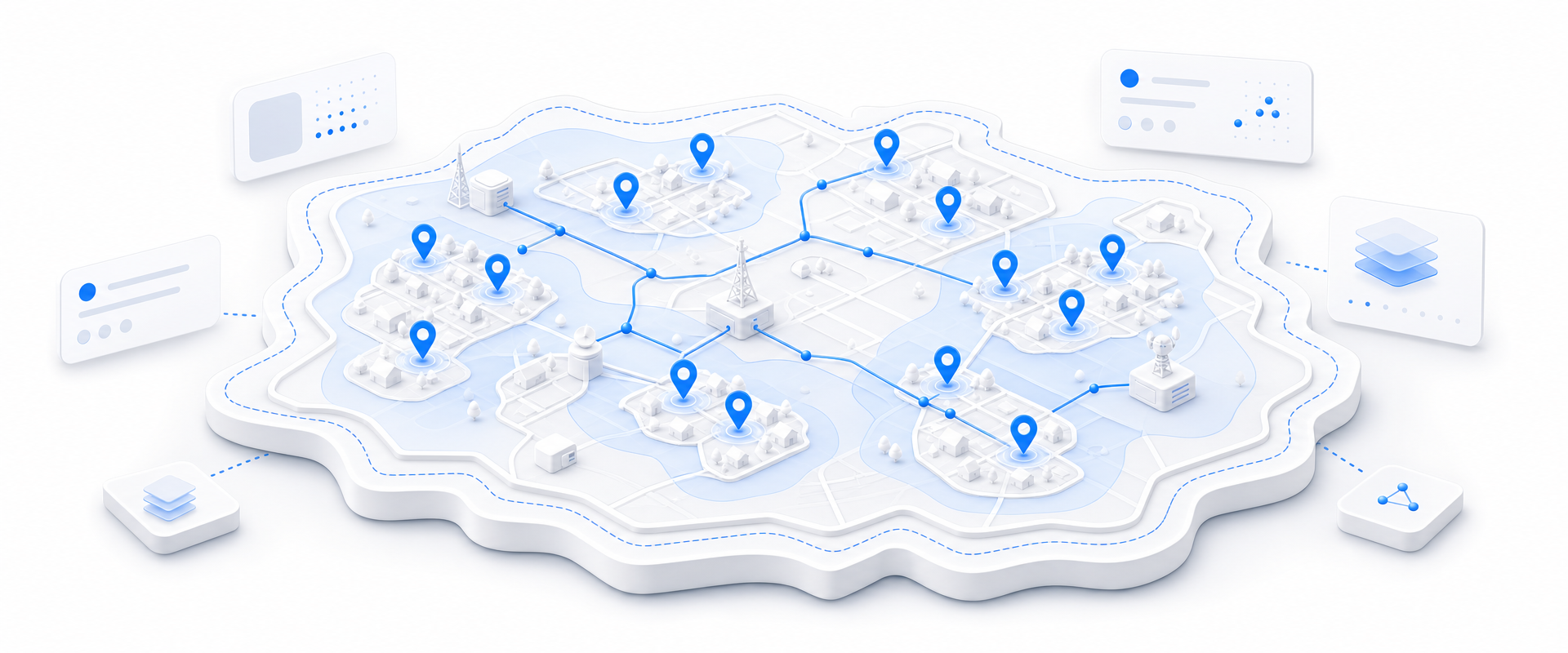
Most data vendors sell you a national license to millions of records you will never contact. BigGeo works differently.You tell us where you sell, and we cut you exactly that geographic slice of the dataset. A single city.
A cluster of ZIP codes. A metro area. A county. Whatever matches your territory. The result is a lean, CRM-ready file containing only the companies in the markets you actually work, delivered at a fraction of the cost of a full national license.
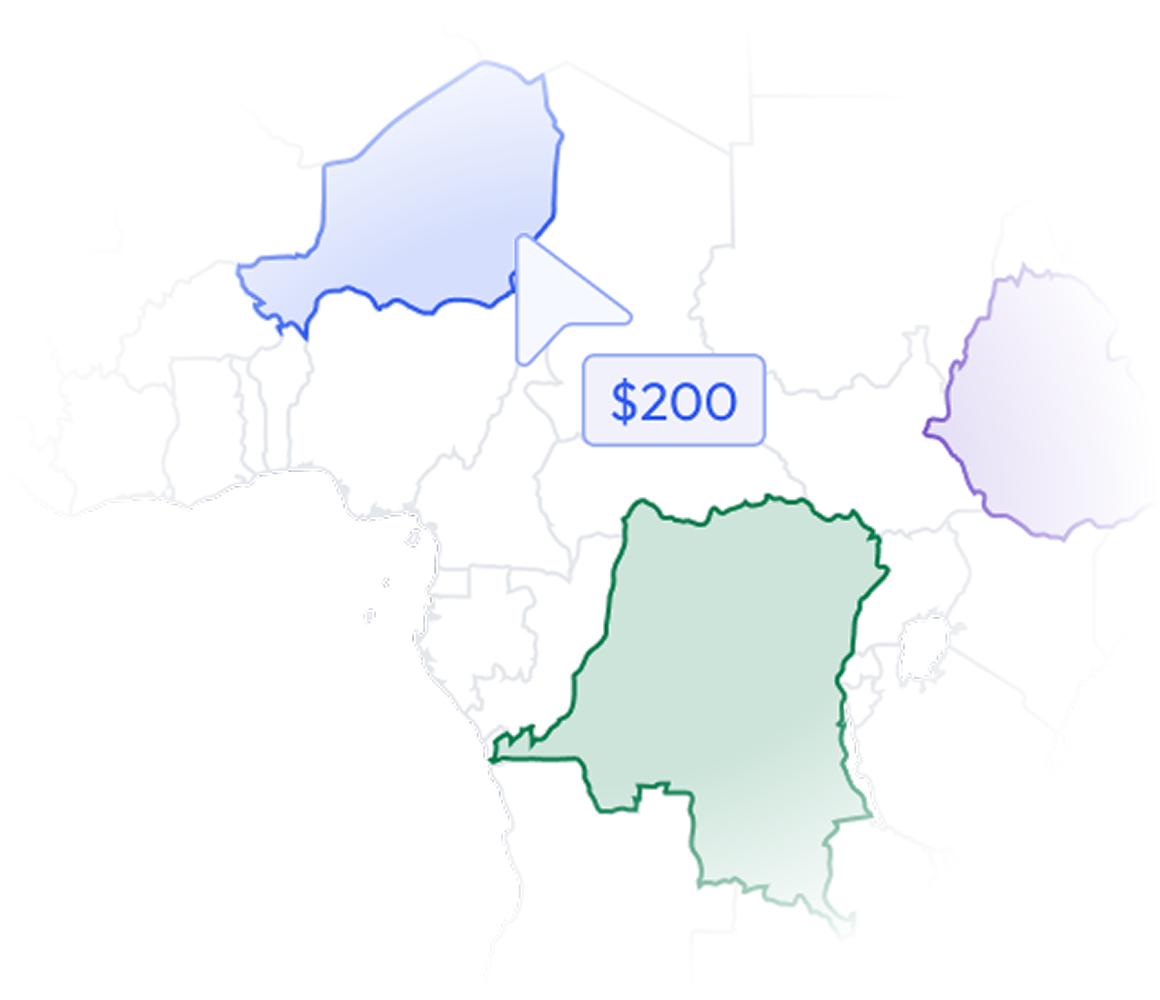
New homeowners make their broadband, cable, and wireless decisions within the first few weeks of moving in. By the time most ISPs identify an available address and act on it, the household has already signed with someone else. You are not losing on price or product. You are losing on timing.
Every record represents a home purchase completed within the last 30 days. You are contacting households at peak buying intent, before any provider has locked them in.
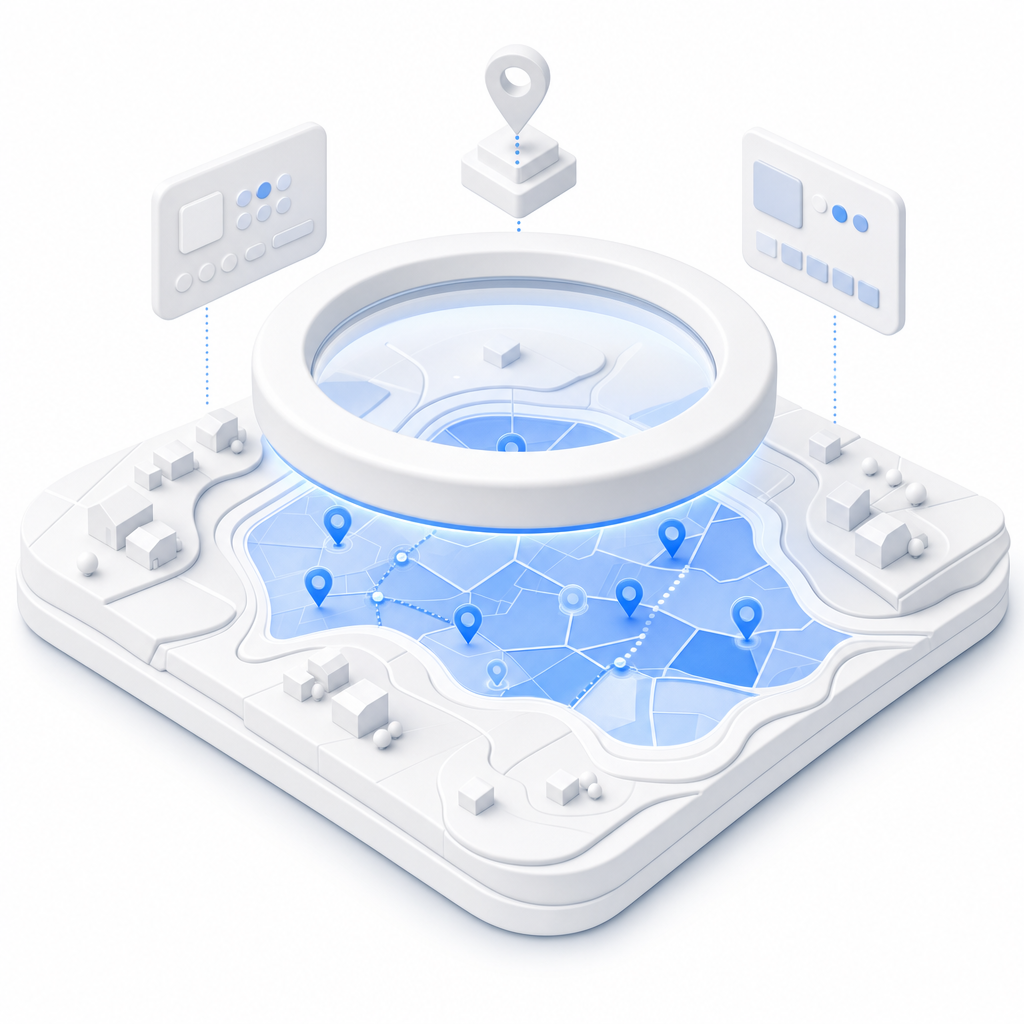
The file grows by over 700,000 records every month across the US. Whether you serve a single metro or a multistate footprint, the volume supports consistent pipeline generation at scale.
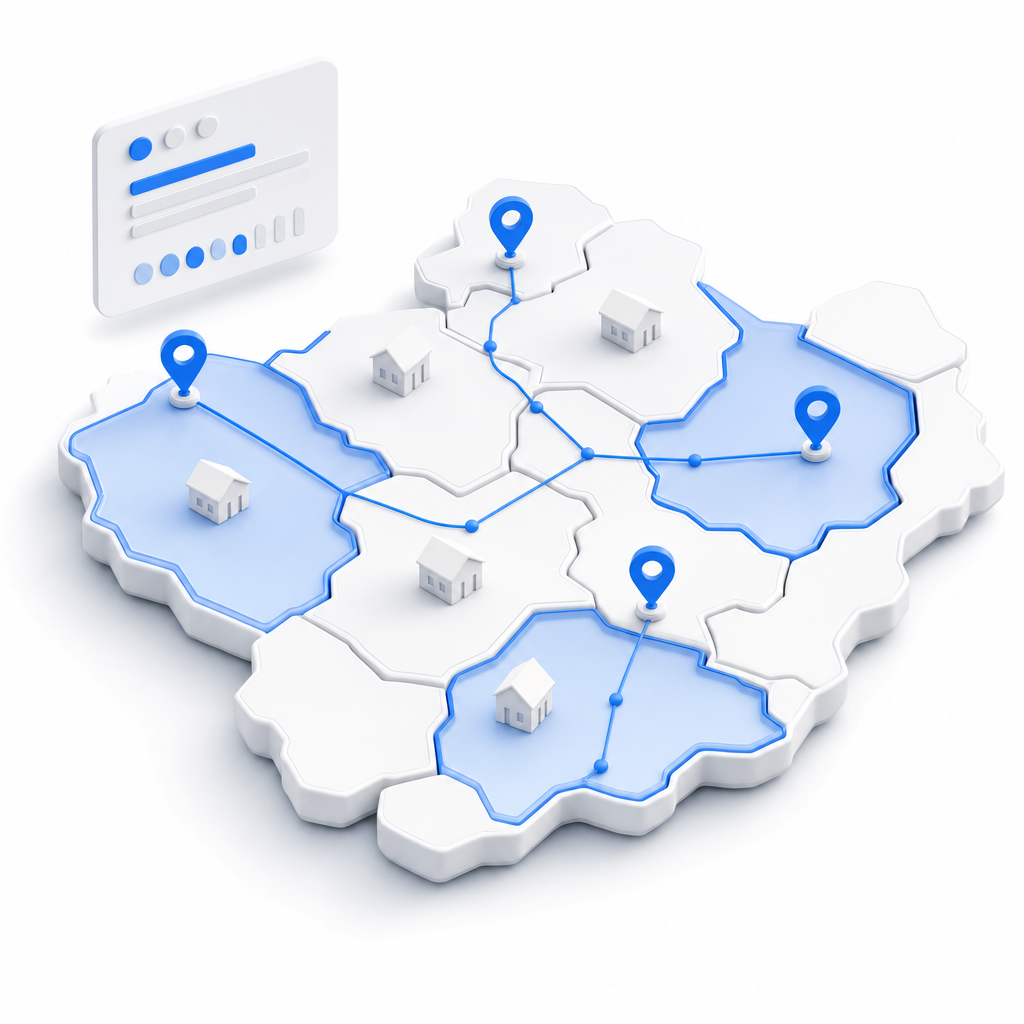
Records are assembled from newspaper listings, online platforms, direct mail responses, telemarketing data, and proprietary sources. Multi-source compilation reduces gaps that single-feed datasets routinely miss.
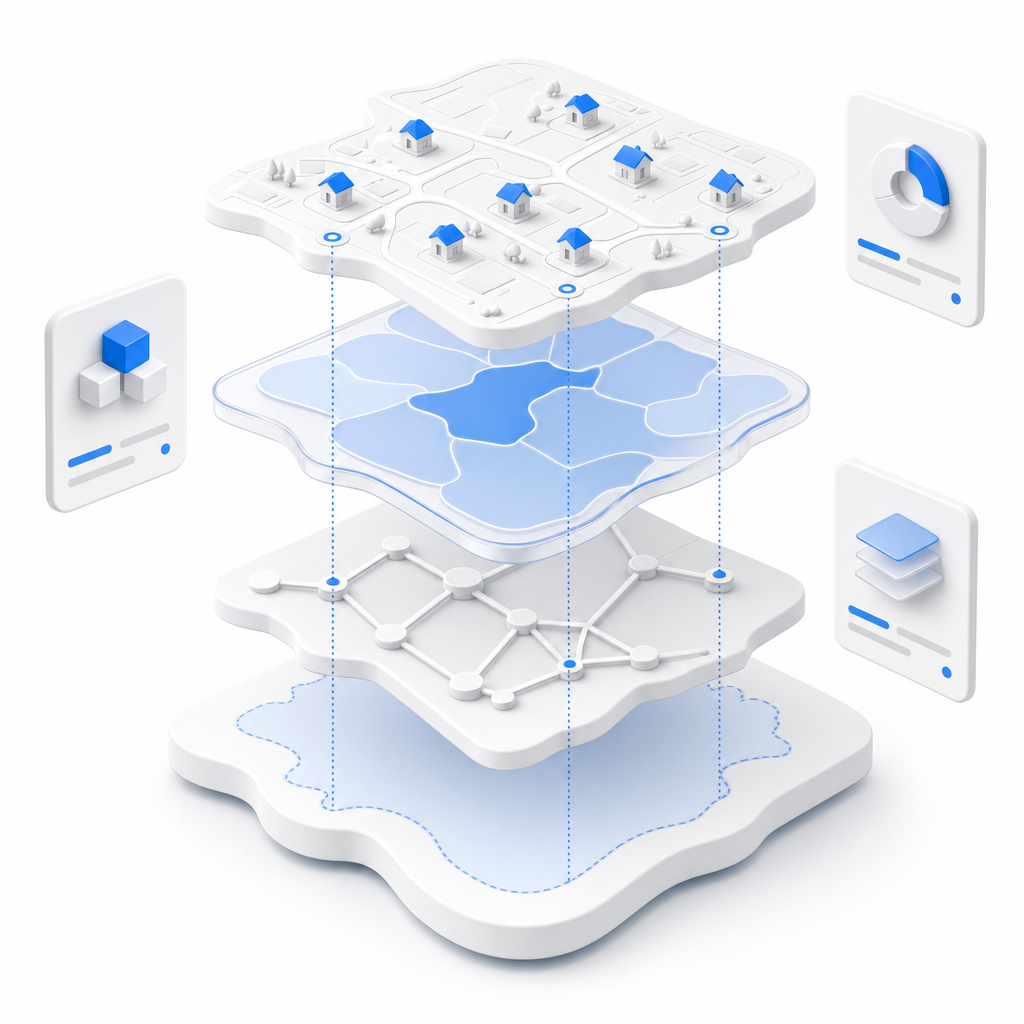
A monthly feed structure means your campaigns stay current without manual refresh cycles. Network ops and marketing can align outreach cadences to the same live signal.
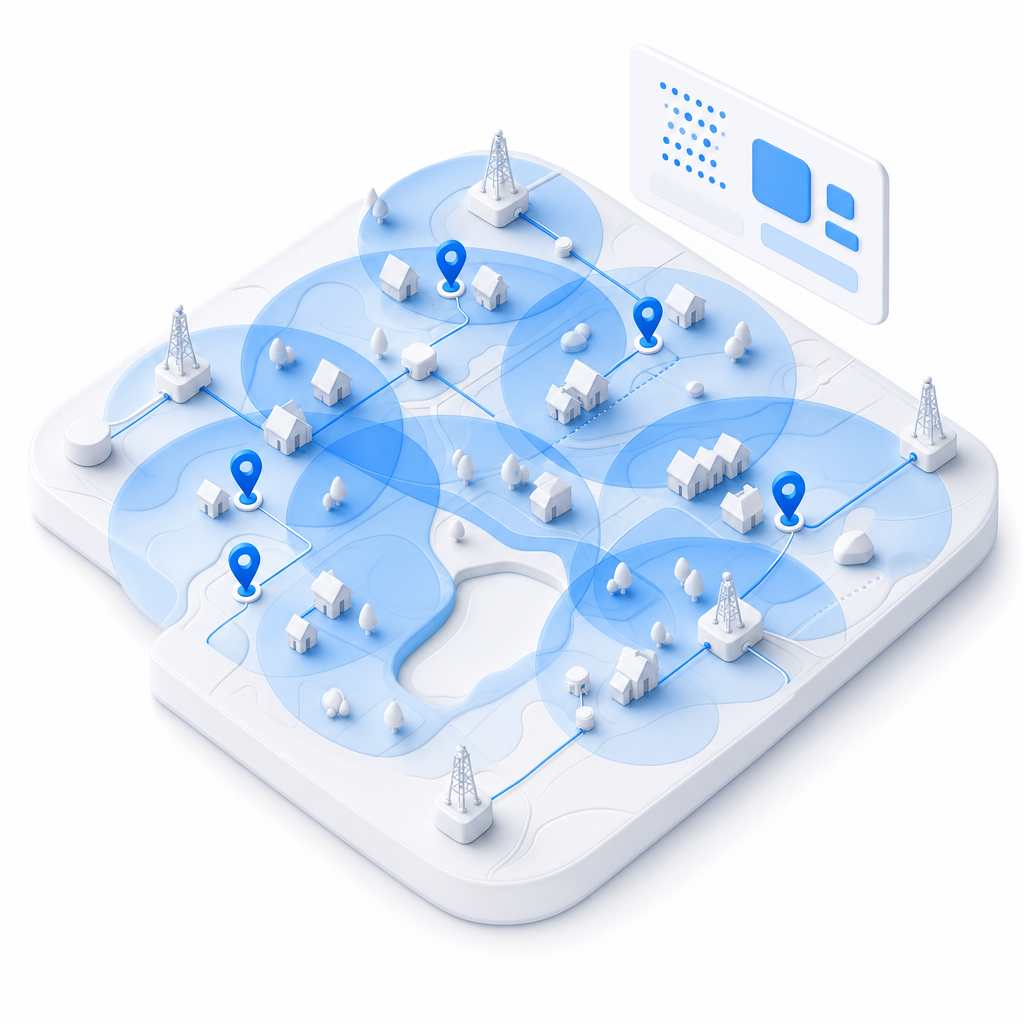
BigGeo AI works inside ChatGPT and Claude today, letting your network engineers, project managers, and account teams ask plain-language questions against Alesco New Homeowner Data without a GIS analyst or a custom data pull. Instead of waiting for ops to run a coverage overlap, you can identify every new homeowner in your serviceable footprint, ranked by density and move date, in the time it takes to type a question.