Geophysical Surveying and Subsurface Resource Mapping Services

Subsurface Answers Without the Spatial Guesswork

BigGeo puts geophysical survey data, including seismic, gravity, and magnetic layers, into a single spatial environment where interpretation is instant and drilling targets become defensible. For the first time, your exploration team can cross-reference subsurface anomalies against surface context, land tenure, and infrastructure without waiting on a GIS specialist.

At a Glance

The Data Behind the Decision

3
Core survey methods integrated
3
Client verticals directly served
2
Critical decisions driven: drilling and extraction
Buy by Geography

Stop buying the whole country. Buy just your markets.

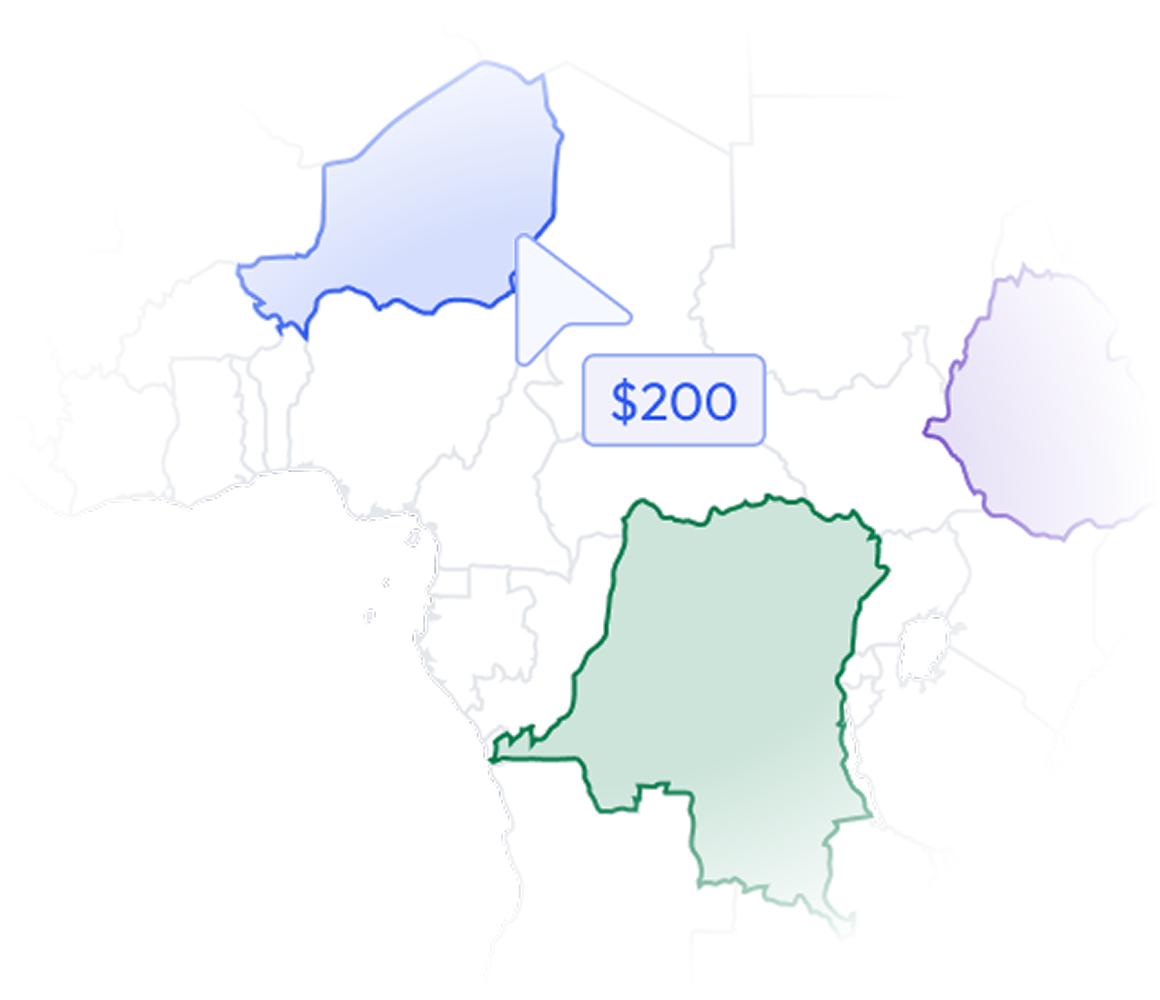
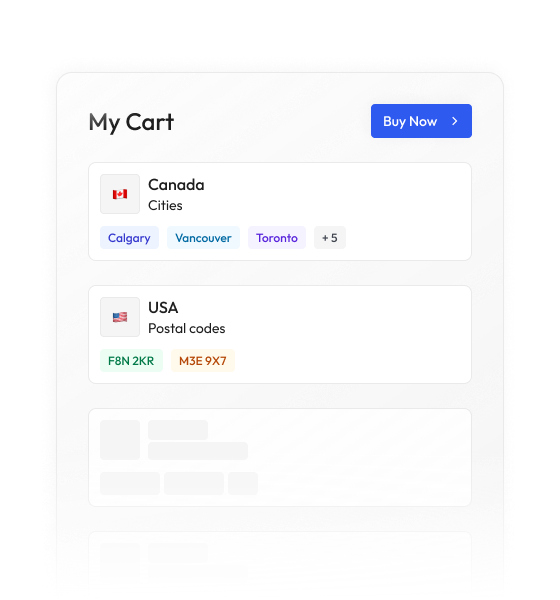
Most data vendors sell you a national license to millions of records you will never contact. BigGeo works differently.You tell us where you sell, and we cut you exactly that geographic slice of the dataset. A single city.

A cluster of ZIP codes. A metro area. A county. Whatever matches your territory. The result is a lean, CRM-ready file containing only the companies in the markets you actually work, delivered at a fraction of the cost of a full national license.
Book a Meeting

See Your Prospect Area in the Platform

The Problem

Exploration Data That Refuses to Cooperate

Geophysical practitioners are sitting on high-value subsurface data that is almost impossible to act on quickly. Seismic lines, gravity grids, and magnetic anomaly maps live in separate formats, separate software, and separate workflows. By the time everything is stitched together and spatially contextualized, the interpretation window has closed or the capital decision has already been made without you.

layers
Survey Data Trapped in Silos
Seismic, gravity, and magnetic datasets rarely live in the same environment. Merging them for a composite interpretation requires manual export, reprojection, and specialist GIS work that adds days to every analysis cycle.
map
No Spatial Context at Interpretation Time
Raw geophysical anomalies mean little without surface infrastructure, land tenure, environmental constraints, and known geology layered alongside them. Without that context, promising targets get misranked and capital goes to the wrong holes.
track_changes
Slow Delivery to Drilling Decision-Makers
The people authorizing drilling and extraction budgets need spatially grounded answers fast. When interpretation outputs require GIS post-processing before they can be shared, the window between discovery and decision stretches into weeks.
warning
Inconsistent Coverage Across Survey Methods
Energy and mining clients need confidence that every method, seismic, gravity, and magnetic, covers the same area with compatible resolution. Gaps between survey extents create blind spots that only surface after a costly dry hole.
What Is In The Dataset

Every Geophysical Layer, Ready for Spatial Compute

Seismic Survey Coverage

Seismic data is spatially indexed and queryable at the line or grid level, so you can immediately cross-reference subsurface structure with surface features, infrastructure corridors, and land access constraints without leaving the platform.
Gravity and Magnetic Field Data

Gravity and magnetic field outputs are co-registered with seismic layers, enabling composite anomaly interpretation that would previously require dedicated processing software and a specialist to run it.

Subsurface Deposit Extent Mapping

Interpreted deposit extents are stored as spatial objects, not static images, so exploration teams can query boundaries, calculate areas, and rank targets by size and access without a separate mapping workflow.

Multi-Method Interpretation Integration

All survey methods feed into a single spatial environment in DataLab, so geologists, geophysicists, and engineers are always working from the same interpreted picture rather than reconciling outputs from three different software packages.

Let's talk
Thank you! Your submission has been received!
Oops! Something went wrong while submitting the form.
done
The world's spatial data is more accessible than you think. Let's show you how close you already are.
done
You already have the questions. We have the data. Let's see what happens when they meet.
done
The where in your business is more important than you think. Let's find it together.
done
Most spatial data conversations start with a problem nobody thought was solvable. What is yours?
BigGeo AI

Ask Your Subsurface Questions in Plain Language, Get Governed Answers

BigGeo AI is the AI access point to governed spatial data and it works directly inside ChatGPT and Claude today. Instead of queuing a data request or opening three pieces of software, an exploration practitioner can ask a plain language question about any survey area and get a spatially grounded answer in seconds, backed by real data, not training-data approximations. The interpretation work that used to take a GIS analyst a day now happens in the time it takes to type a question.

chat
Show all seismic survey lines within 50km of our current gravity anomaly targets in the northern basin.
chat
Which interpreted deposit extents overlap with existing infrastructure corridors and active land tenure parcels?
chat
Compare magnetic anomaly intensity across the three prospect zones flagged in last quarter's exploration review.
FAQ

Frequently asked questions

Can I combine this geophysical data with our own uploaded survey results?
add
We already use specialist geophysical interpretation software. Why do we need this?
add
How current is the survey data, and how often is it refreshed?
add
What does technical access look like, and do we need to change our existing stack?
add
How do we get started if we want to evaluate this against a specific prospect area?
add